Random Color Picker: How Designers, Artists & Teachers Actually Use One
A random color picker sounds gimmicky. In practice, it's one of the best ways to break a creative block, run a fair classroom game, or generate a palette you'd never have chosen yourself.
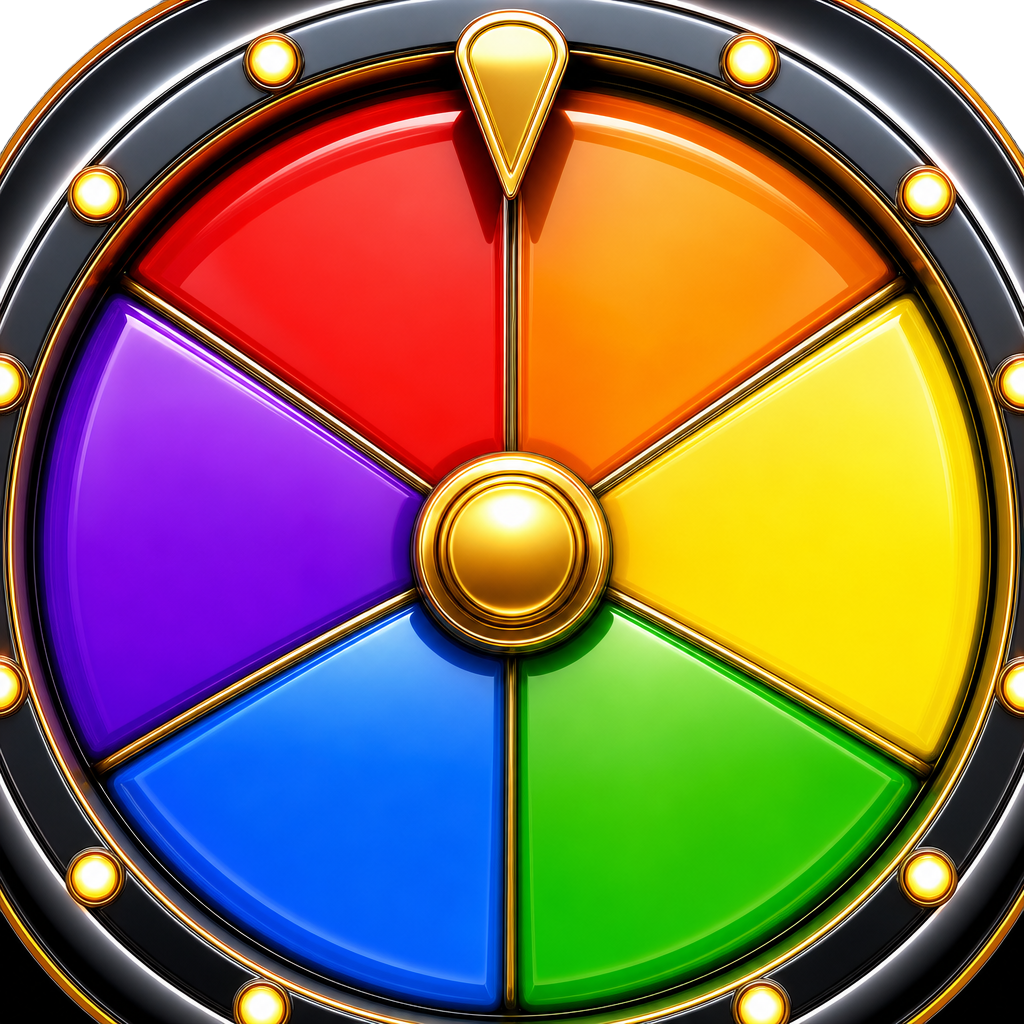
Every designer has stared at a color picker until their eyes glaze over. Every art teacher has watched a kid freeze in front of 24 paint colors. Every UI dev has built a 'random color' button at least once. There's a reason this little tool keeps reappearing — randomness, in color specifically, is a real shortcut.
Why randomness beats deliberation (sometimes)
When you pick a color carefully, you almost always pick a color you'd pick anyway. Your aesthetic preferences are deep ruts — you'll reach for the same blues and greens for a decade if nothing forces you out. A random color forces a constraint. Constraints don't kill creativity; they're where creativity comes from. The painter who could only afford ochre and umber didn't make worse paintings — they made different ones.
How designers use a random color picker
Three real uses, beyond gimmicks. First: as a starting anchor. Spin once, get a hex, and build a palette around it using the standard color-theory moves — complementary, triadic, analogous. The random color isn't the design; it's the seed. Second: A/B testing. Generate ten random accent colors, render the UI with each, and pick the one that surprises you in a good way. Third: brand sprints. When a client wants 'something fresh', start with three random colors and reverse-engineer a story for the one that feels right. The randomness gives you permission to suggest something the client wouldn't have asked for.
How artists use it
The classic painting exercise: spin to pick three colors, then make a piece using only those three. The result is rarely your best work, but it's almost always your most interesting work. Variations: spin for a primary, then mix only from there. Spin for a background and an accent and force yourself to make them sing. Spin daily for a 30-day color study and you'll see your eye change.
How teachers use it
Random color pickers in classrooms aren't about color theory — they're about fairness and engagement. 'The next student to answer is whoever the wheel lands on, and they answer in the color it picks' is a small game that turns review into something kids actually want to do. For art classes, spinning for the day's palette removes the 30 minutes of paralysis at the start of every project. For early-learning teachers, a color wheel is one of the simplest 'point and name' games — toddlers love it.
Tips for actually getting good random colors
Pure random hex codes are mostly muddy. The wheel works better with a curated set: clean primary and secondary colors, plus a few tertiary and neutral shades. If you're rolling your own, generate random hue values but lock saturation and lightness to ranges that look intentional — say, 60-90% saturation and 40-70% lightness for vivid but readable colors.
When NOT to use random color
Don't use a random color for anything that has to mean something. Brand colors should be chosen. Safety colors are standardized for a reason. Color-coded data (red for bad, green for good) needs to be deliberate. The random picker is a creative tool, not a design system.