How to Use a Decision Wheel (And Actually Stick to the Result)
Spinning a wheel is the easy part. Learning to trust the result — and use the wheel as a thinking tool, not a magic 8-ball — is where it gets useful.
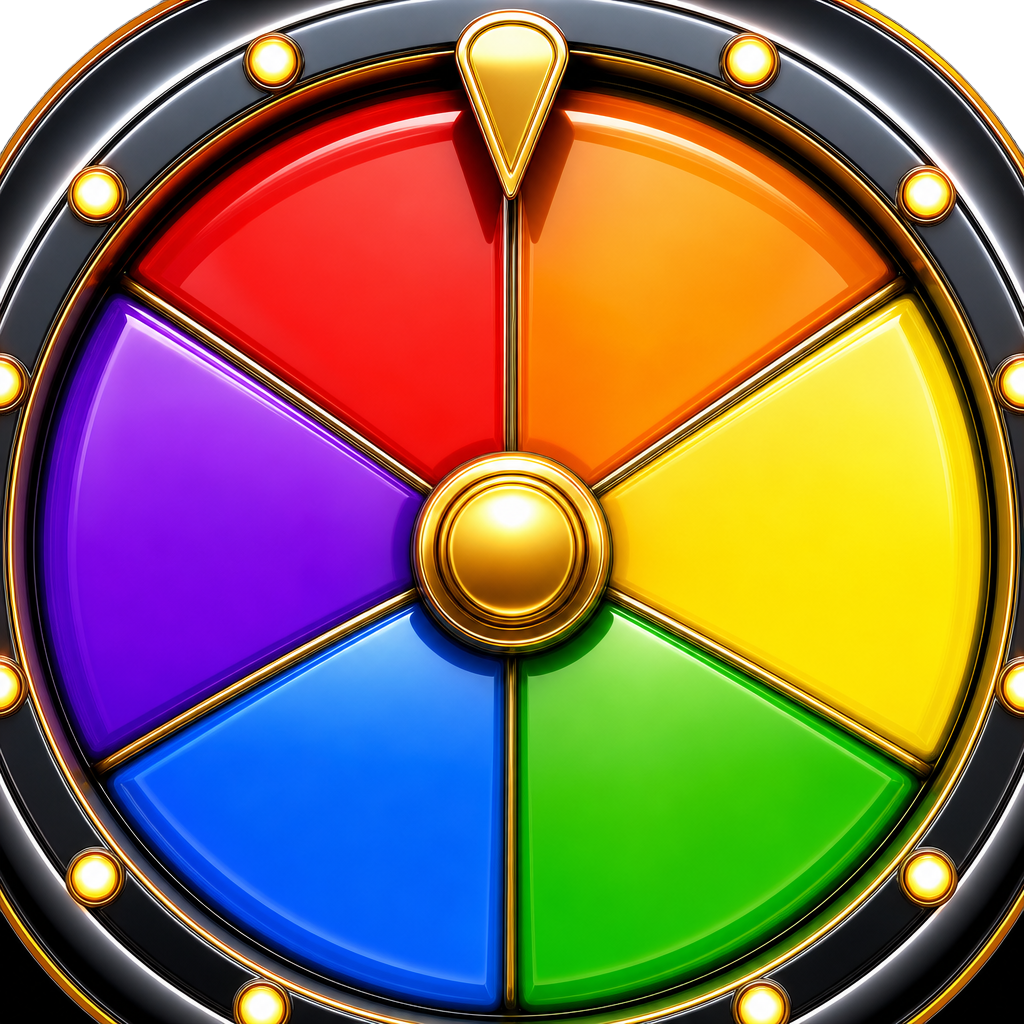
Decision wheels look like a gimmick. In practice, they're one of the simplest, fairest ways to break a deadlock — at home, in a classroom, or in a group chat that can't agree on dinner. The trick is using them well.
When a wheel actually helps
Use a wheel when the choices in front of you are roughly equally good. If three takeout spots all sound fine, you're not picking the 'best' one — you're choosing to stop choosing. The wheel buys back the 10 minutes you'd otherwise spend deliberating.
Wheels are also great for fairness. When a group has to pick one person — who presents first, who gets the front seat, who does the dishes — a wheel removes any sense of bias. Everyone has the same odds, visible to all.
When a wheel is a bad idea
Don't outsource genuinely important decisions to randomness. If your gut already knows the answer is 'no', a wheel that lands on 'yes' won't change that. Use the wheel for low-stakes choices, or as a thinking tool: see how you feel about the result. Relief or dread is often the real signal.
How to commit to the outcome
The most common mistake: spinning again until you get the answer you wanted. Set the rule upfront — first spin wins — and stick to it. Three best-of-three is a different game. If you find yourself bargaining with the wheel, that's the answer: you already preferred one option.
Setting up a fair wheel
Keep the options short and concrete (one or two words per slice). Don't pad the wheel with junk options to make a 'real' choice more likely — that defeats the point. If you want one option to be more likely, add it twice; that's an honest weighted wheel.
Once your wheel is set up, share the link before you spin. Everyone seeing the same options on the same wheel makes the result indisputable.
A short script for committing to the result
Before you spin, say out loud — or just to yourself — what you're agreeing to. 'Whatever the wheel lands on, that's what I'm eating tonight.' This sounds silly. It works because it forces you to notice the moment of commitment as a separate event from the spin. If you can't say it without flinching, that's information: you already have a preference, and you should just act on it instead of using the wheel as theater.
Using a wheel as a thinking tool, not an oracle
There's a use of a decision wheel that has nothing to do with the result. Spin it and pay attention to your immediate gut reaction. Relief is data — you actually wanted that option. Disappointment is data — your gut already preferred something else. The wheel's job is to surface the preference you couldn't articulate. Don't re-spin to hide from the answer; act on it.
Why this beats 'just pick something'
'Just pick something' is what well-meaning friends and partners suggest when they watch you stall. It rarely works, because the reason you're stalling isn't that you can't pick — it's that you don't want to be the one responsible if the choice turns out to be bad. The wheel solves the responsibility problem. You didn't choose pasta tonight; the wheel did. If it's bad, it's not your fault. If it's good, you've added a new repeat. Either way, dinner happens and the evening moves on.